
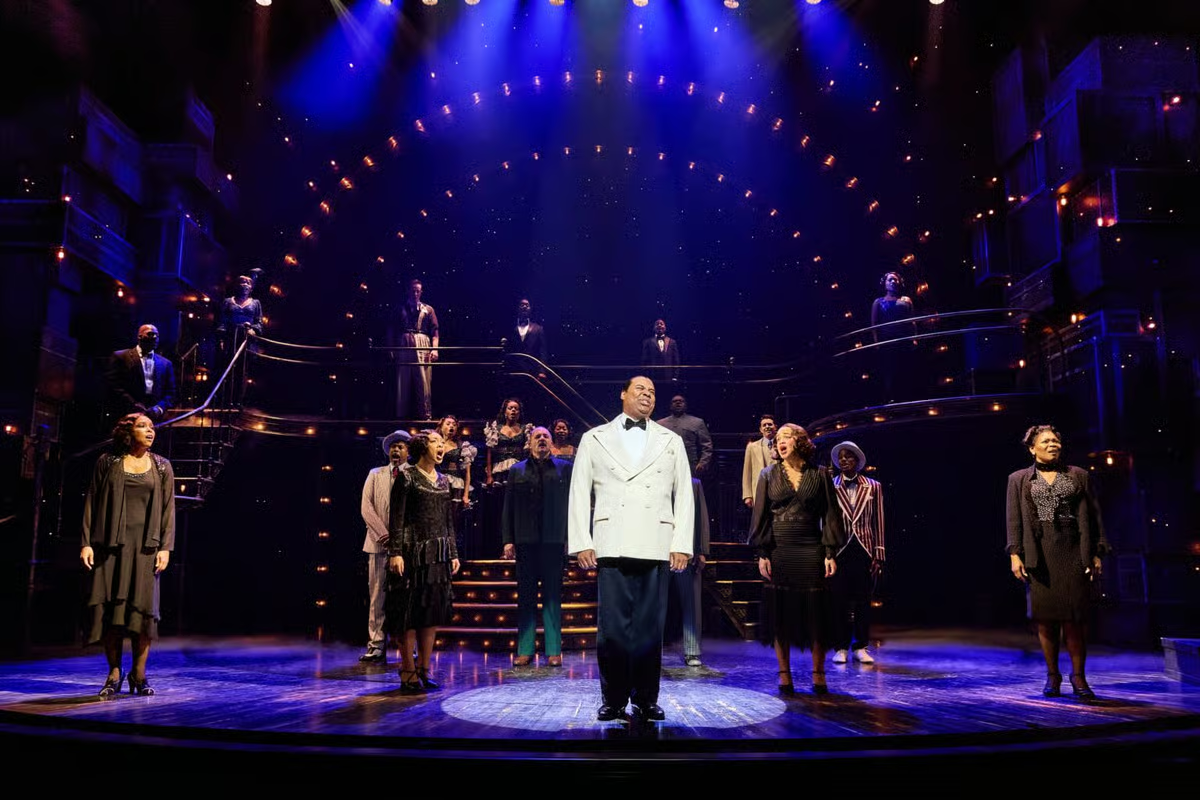
These are tough days for optimism. Pithy advice and motivational speeches seem to be as useful as scotch tape after a hurricane. Thankfully, we still have the balm of theater. Specifically, A Wonderful World: The Louis Armstrong Musical, directed with a keen eye by Christopher Renshaw and co-director Christina Sajous, which charts the successes, loves, and losses of the beloved black American entertainer.
Tony award winner James Monroe Iglehart leads and co-directs a great-looking production stuffed with stellar vocal performances. Not only does Iglehart-who has irresistible charisma and charm to spare-have audiences in his clutch from the moment he steps onstage, but the show also showcases the vocal prowess of the major loves of Armstrong’s life: Daisy Parker (Dionne Figgins), his first wife, Lil Hardin (Jenny Harney-Fleming), his second wife, Alpha Smith (Kim Exum), wife number three, and finally, Lucille Wilson (Darlesia Cearcy), who remained with him until his death in 1971. All four woman deliver powerful, showstopping numbers orchestrated and arranged by contemporary jazz great Branford Marsalis , who has infused this classic score with modern flair.
A Wonderful World opens in Armstrong’s birthplace of New Orleans and transverses through Chicago, Hollywood, and New York. Along the way, we’re introduced to fellow musicians, King Joe Oliver (Gavin Gregory) and Fate Marable (DeWitt Fleming, Jr.), and his unscrupulous agent, Joe Glaser (Jimmy Smagula).
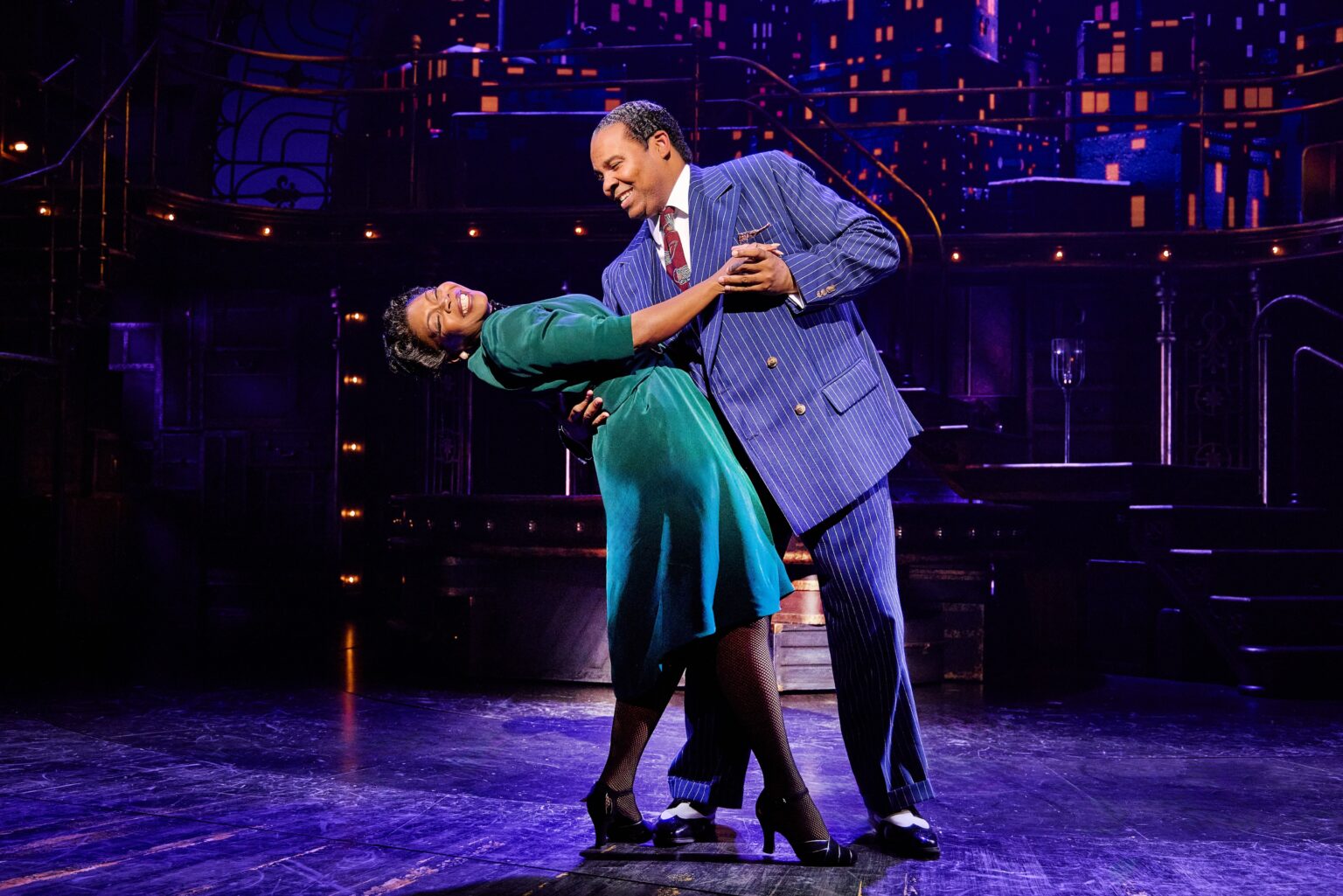
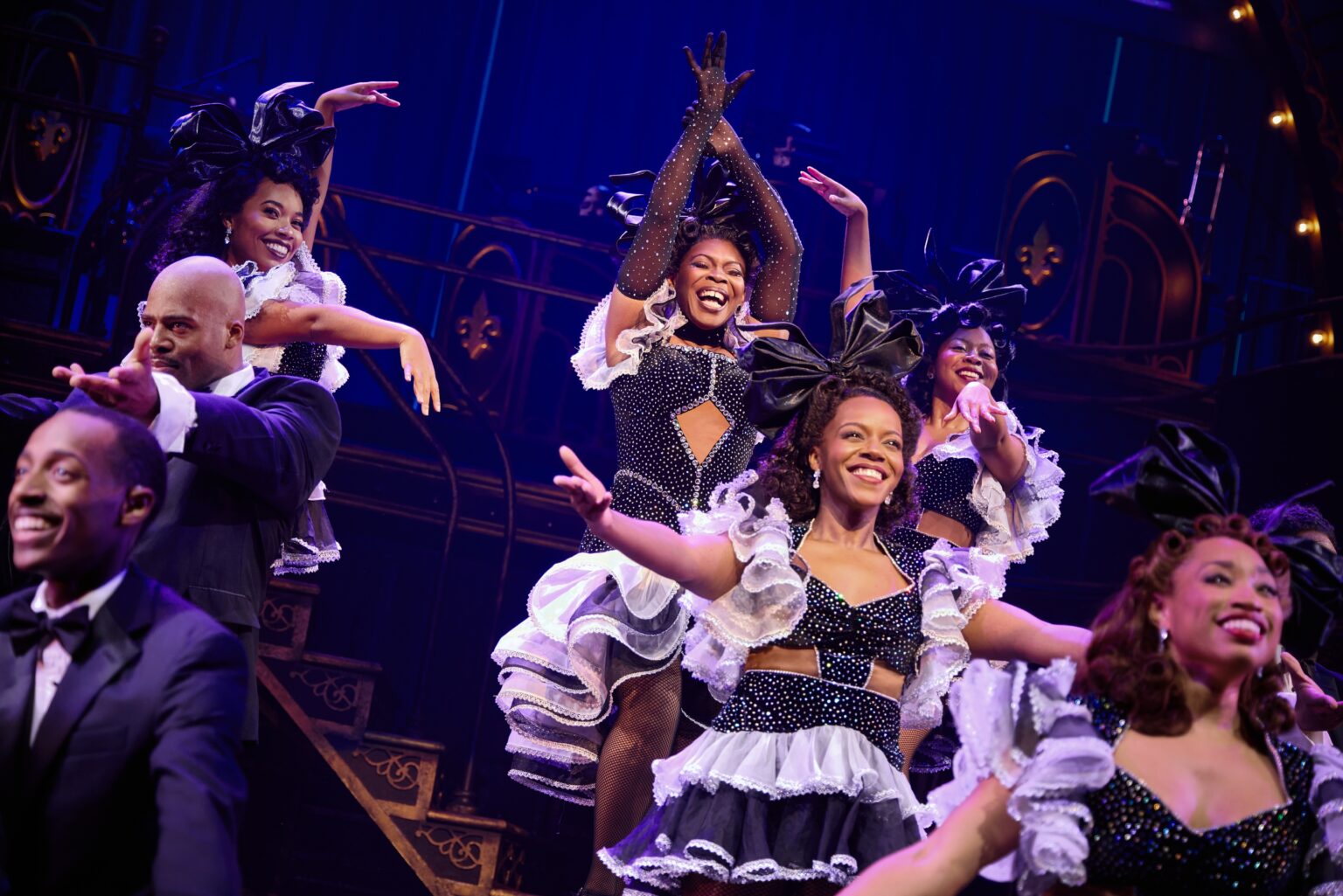
Seventy years of life, especially for someone with a personality and career as large and nomadic as Armstrong’s, is a lot to stuff into two and a half hours. Like most bio-musicals, there’s plenty of philandering, bad business deals, and a few run-ins with the law. Occasionally, Aurin Squire’s book lags and Armstrong’s story is bogged down by songs that do little to advance the plot. Fortunately, the lulls don’t last long, thanks to Rickey Tripp’s electric choreography that seasons the show with plenty of pep , including some thrilling tap numbers. Toni-Leslie James' period appropriate costumes are lush, elegant, and at times, vibrantly dazzling.
Throughout his life, Armstrong was not an activist, but he could not stay silent when nine black high school students were ridiculed and physically harassed trying to enter a school in 1957 Arkansas. Shortly after the incident, Armstrong was asked to perform the National Anthem. This frames one of the show’s most powerful moments. “You wanna hear how my people hear the National Anthem? You wanna know how we really hear the National Anthem?,” he asks Glaser before launching into a vitriolic version of “The Star Spangled Banner.”: “Oh say, can you see by the proud bullshit lies who so gallantly lynched at the twilight’s burning cross..”
Indeed, Armstrong endured an enormous amount of racism, financial injustice, failed marriages, the great depression, and other setbacks. Yet he continued to push forward with graciousness and joy. In this current climate, through this fine show, Armstrong's life is a reminder that we too, can attempt to muster strength and enact resilience amidst soul-crushing dismay and defeat.
A Wonderful World: The Louis Armstrong Musical is now playing on Broadway at Studio 54 254 W 54th St. For tickets and information, click here : louisarmstrongmusical.com.

No comments yet